
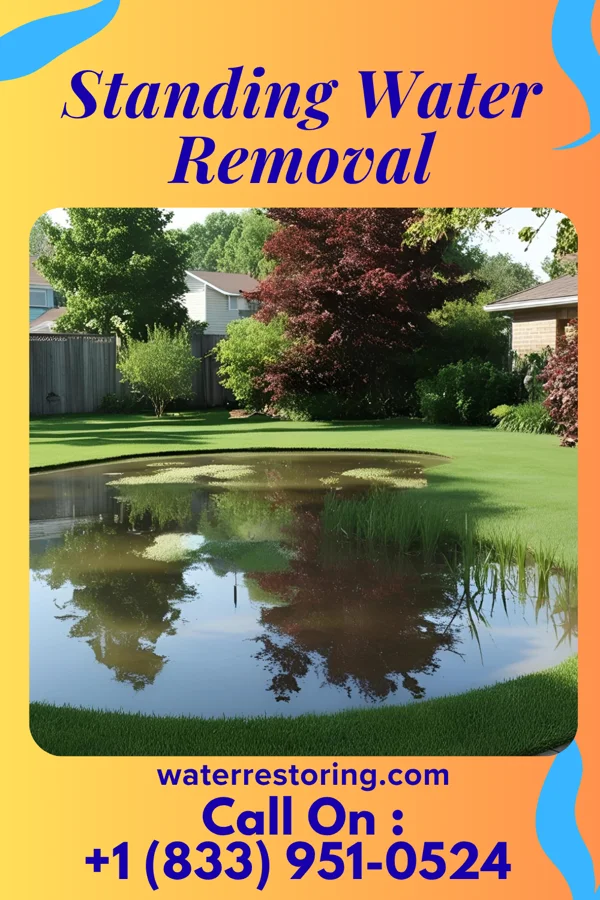
Standing Water & Insurance in Youngsville
In Youngsville, North Carolina, primary water damage often stems from sudden plumbing failures, such as burst pipes or leaking water heaters, especially in older homes. Additionally, heavy rainfall during the spring and summer months can lead to basement flooding, particularly in areas near creeks and low-lying regions. is the trigger behind most standing water removal claims in Youngsville. A close second is Secondary causes include sewer backups, especially during severe weather events, and water infiltration from nearby bodies of water like the Neuse River. Poorly maintained gutters and downspouts can also contribute to water damage by allowing rainwater to pool around foundations.. Most homeowner insurance policies cover sudden, accidental water damage. What separates a clean claim from a stuck one is fast professional response with documentation an adjuster can actually use.
Youngsville experiences a humid subtropical climate with frequent thunderstorms and heavy rainfall, increasing the risk of water intrusion. The region's proximity to the Neuse River also means that flooding can occur during major storm events, making prompt water damage restoration critical.
Most standing water removal calls in Youngsville come from In Youngsville, North Carolina, primary water damage often stems from sudden plumbing failures, such as burst pipes or leaking water heaters, especially in older homes. Additionally, heavy rainfall during the spring and summer months can lead to basement flooding, particularly in areas near creeks and low-lying regions.. Running a close second is Secondary causes include sewer backups, especially during severe weather events, and water infiltration from nearby bodies of water like the Neuse River. Poorly maintained gutters and downspouts can also contribute to water damage by allowing rainwater to pool around foundations.. Local mold risk: Mold can develop quickly in Youngsville's humid climate, especially in homes with poor ventilation or standing water. Immediate action is essential to prevent health risks and structural damage, particularly in older homes with less modern insulation and airflow systems.